Office Interior Design Ideas for Productive Workspaces
Office interior design plays a very important role in how people work every day. A well-designed office is not just about looking good. It directly affects employee focus, comfort, motivation, and overall productivity. When an office space is planned properly, employees feel more relaxed, organized, and ready to perform better. Companies are realizing that office interior design is not a luxury. It is a necessity. A productive workspace helps reduce stress, improves communication, and creates a positive work culture. Whether it is a small office or a large corporate setup, smart interior design ideas can transform the way people work.
What Is Office Interior Design for Productive Workspaces
Office interior design for productive workspaces means planning and designing an office in a way that supports better work performance. It focuses on comfort, space usage, lighting, furniture, colors, and layout. The goal is to create an environment where employees can work efficiently without feeling tired or distracted.
A productive office is not overcrowded or poorly planned. It allows smooth movement, proper seating, good lighting, and enough space for collaboration and privacy. When employees feel comfortable in their surroundings, they naturally work better and stay more engaged.
Good office interior design also reflects the company’s values and work culture. It creates a professional image for clients and visitors while making employees feel proud of their workplace.
Importance of Office Interior Design in Workplace Productivity
Office interior design has a direct impact on how employees feel and perform. Poor design can lead to discomfort, lack of focus, and low morale. On the other hand, a well-designed office can improve energy levels and reduce work-related stress.
When employees sit for long hours, uncomfortable chairs and desks can cause health problems. Bad lighting can strain the eyes and reduce concentration. Noise and clutter can create distractions. All these problems can be solved with smart interior design choices.
A productive office design supports better posture, encourages teamwork, and creates a calm environment. It also helps employees stay organized, which saves time and improves efficiency.
Office Space Planning for Better Workflow
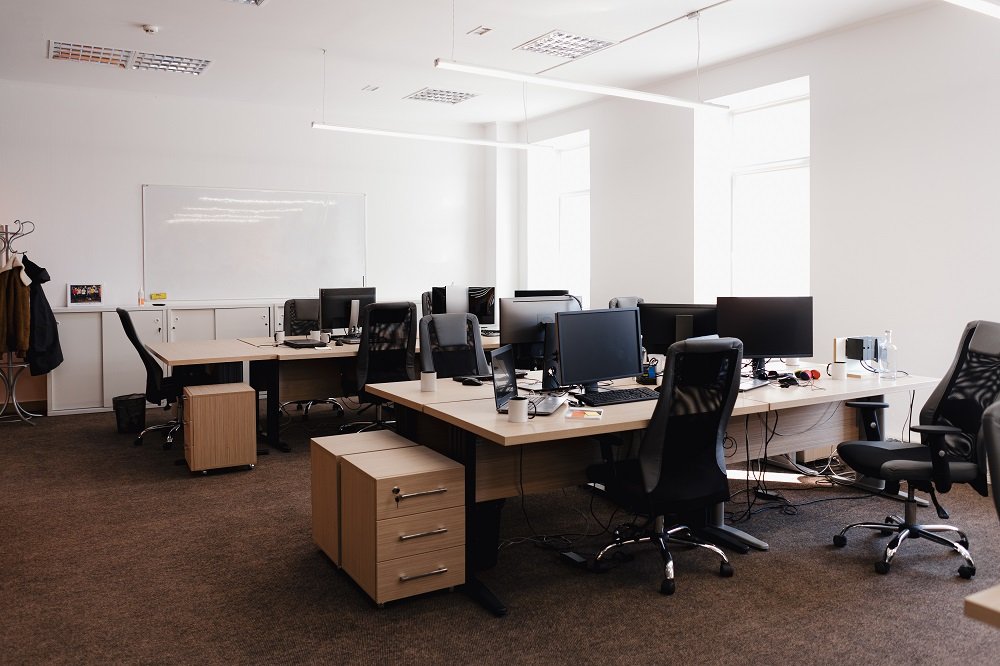
Office space planning is the foundation of good office interior design. It involves deciding how different areas of the office will be used. Proper space planning ensures that employees can move easily and perform their tasks without interruption.
Open areas should be designed for teamwork and communication. Quiet zones should be available for focused work. Meeting rooms should be easily accessible but not disturb other work areas. Break areas should be comfortable so employees can relax and recharge.
When space planning is done correctly, it reduces confusion and improves workflow. Employees know where to sit, where to collaborate, and where to focus, which saves time and improves productivity.
Ergonomic Furniture for Comfortable Office Interiors
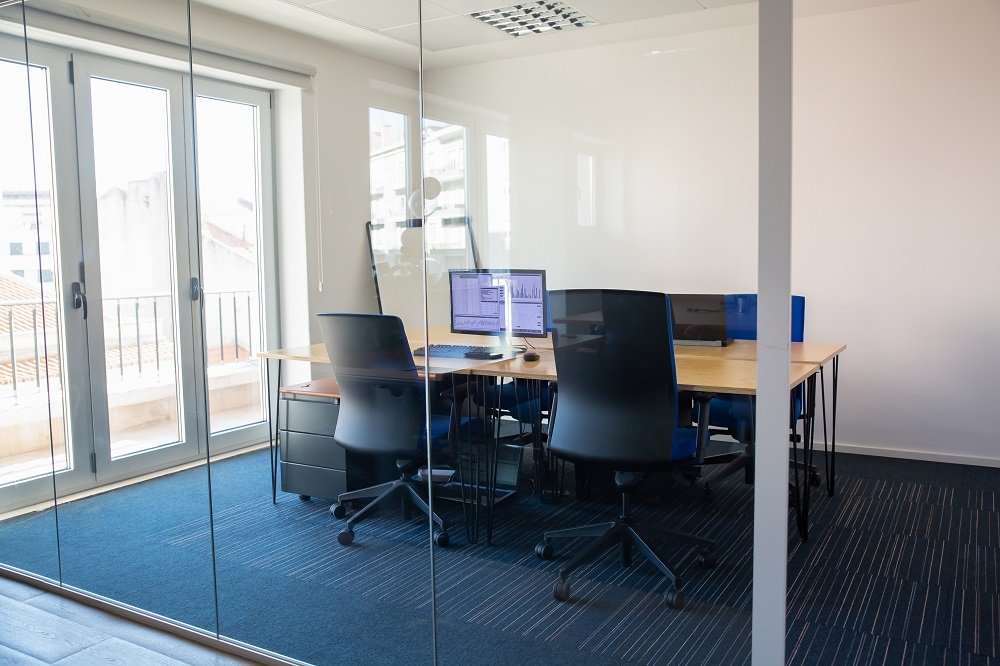
Ergonomic furniture is one of the most important elements of office interior design. It supports the body and reduces physical stress during long working hours. Comfortable employees are more productive and less likely to suffer from health issues.
Office chairs should support the back and allow proper posture. Desks should be at the right height to avoid strain on the arms and neck. Adjustable furniture allows employees to customize their workspace according to their comfort.
Using ergonomic furniture shows that a company cares about employee well-being. This improves job satisfaction and helps retain employees in the long run.
Role of Lighting in Office Interior Design
Lighting plays a major role in creating a productive workspace. Poor lighting can cause eye strain, headaches, and fatigue. Good lighting improves focus, mood, and overall comfort.
Natural light is always the best option. Offices with large windows feel more open and positive. Natural light also helps maintain energy levels throughout the day. When natural light is limited, artificial lighting should be bright but not harsh.
Task lighting for desks and meeting areas helps employees focus better. Balanced lighting reduces shadows and creates a pleasant working environment.
Color Schemes for Productive Office Spaces
Colors have a strong impact on mood and productivity. Choosing the right color scheme is an important part of office interior design. Soft and neutral colors create a calm environment, while bright colors can add energy when used carefully.
Light colors like white, beige, and light grey make the office look spacious and clean. Blue and green tones are known to improve focus and reduce stress. Yellow can add creativity and positivity when used in small amounts.
The key is to maintain balance. Too many bright colors can be distracting, while dull colors can feel boring. A well-planned color scheme creates harmony and supports productivity.
Importance of Noise Control in Office Design
Noise is one of the biggest distractions in offices. Poor noise control can reduce concentration and increase stress. Office interior design should include solutions to manage noise effectively.
Using sound-absorbing materials like carpets, acoustic panels, and soft furniture can reduce noise levels. Separate areas for meetings and phone calls help maintain a quiet work environment.
A peaceful office allows employees to focus better and complete tasks faster. Noise control is especially important in open office layouts where multiple teams work together.
Storage and Organization in Office Interiors
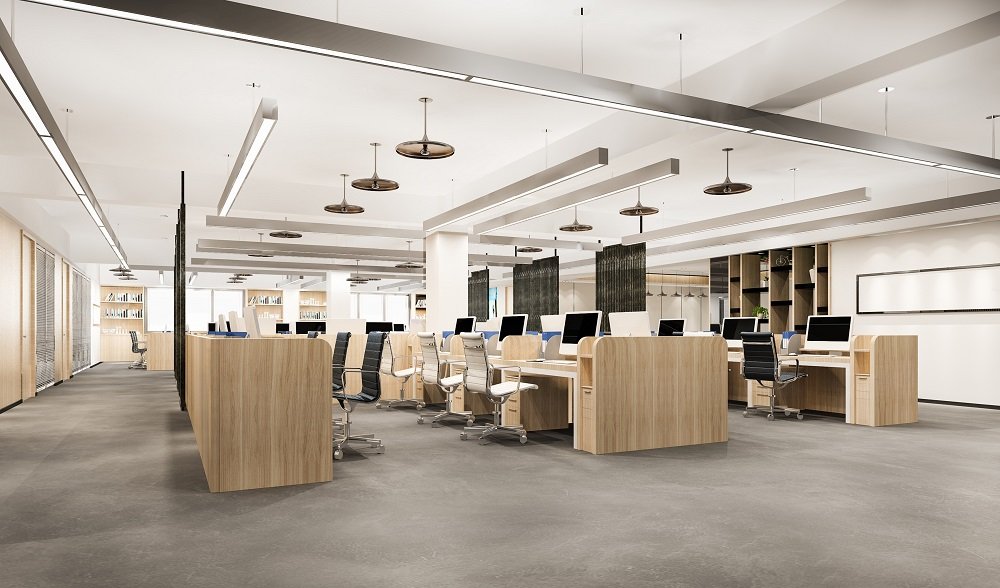
A cluttered office can affect productivity and create confusion. Proper storage solutions are essential for a clean and organized workspace. Office interior design should include enough storage to keep files, supplies, and equipment in order.
Cabinets, shelves, and drawers should be placed strategically for easy access. Organized storage reduces time spent searching for items and helps employees stay focused.
A clean and tidy office also creates a professional impression and improves overall work efficiency.
Breakout Areas and Employee Well-Being
Breakout areas are an important part of modern office interior design. These spaces allow employees to relax, have informal discussions, or take short breaks. A refreshed employee is more productive and creative.
Breakout areas should be comfortable and inviting. Simple seating, calm colors, and a relaxed atmosphere help employees recharge mentally. These areas also encourage teamwork and idea sharing.
Providing proper break spaces shows that a company values employee well-being, which improves motivation and loyalty.
Technology Integration in Office Interior Design
Modern offices depend heavily on technology. Office interior design should support easy use of technology without creating clutter. Proper cable management, power outlets, and workstation setup are essential.
Meeting rooms should be designed to support presentations and video calls. Workstations should allow easy access to devices without discomfort. Technology-friendly design improves efficiency and reduces frustration.
A well-integrated office design ensures smooth daily operations and supports modern work requirements.
Comparison Table: Traditional vs Productive Office Design
| Feature | Traditional Office Design | Productive Office Design |
|---|---|---|
| Layout | Fixed and rigid | Flexible and planned |
| Furniture | Basic and non-adjustable | Ergonomic and adjustable |
| Lighting | Limited natural light | Balanced natural and artificial light |
| Noise Control | Often ignored | Proper sound management |
| Employee Comfort | Low priority | High priority |
| Productivity Focus | Minimal | Strong focus |
This table clearly shows how productive office interior design improves the overall work environment compared to traditional setups.
Conclusion
Office interior design is more than decoration. It is about creating a workspace that supports people, processes, and performance. A productive workspace improves employee satisfaction, reduces stress, and increases efficiency.
By focusing on proper space planning, ergonomic furniture, good lighting, calming colors, noise control, and organization, businesses can create offices that truly support productivity. Every design choice should aim to make work easier and more comfortable.
Investing in office interior design is an investment in people. A well-designed office helps employees perform at their best and contributes to long-term business success.
A productive workspace is not created overnight, but with the right design ideas and thoughtful planning, any office can become a place where productivity and comfort go hand in hand.