
Creating Wellness Rooms in the Workplace
Modern workplaces are changing quickly. Companies are now focusing not only on productivity but also on the health and well-being of employees. One of the most effective ways to support employee wellness is by creating wellness rooms in the workplace. These dedicated spaces allow employees to relax, recharge, and take care of their mental and physical health during the workday.
A wellness room is a quiet and comfortable space designed for employees to take a break from their busy work environment. It provides a calm area where employees can relax, meditate, stretch, or simply take a few minutes away from stress. Many organizations are realizing that when employees feel healthy and supported, they perform better and remain more engaged with their work.
Creating wellness rooms in the workplace is not just a trend. It has become an important part of building a positive work culture. These rooms show that employers care about the well-being of their teams and are willing to invest in a healthier workplace environment.
What Are Wellness Rooms in the Workplace
Wellness rooms in the workplace are specially designed spaces that help employees relax and recover from daily work pressure. These rooms are usually quiet, private, and comfortable. Employees can use them for short breaks, meditation, stretching, or simply resting for a few minutes.
Many workplaces can be noisy and stressful. Long meetings, deadlines, and constant screen time can make employees feel tired and mentally drained. A wellness room provides a place where employees can step away from these pressures and reset their minds.
These rooms are not the same as break rooms or cafeterias. Break rooms are usually social spaces where employees eat or talk. Wellness rooms, on the other hand, focus on calmness, privacy, and relaxation. They help employees recharge so they can return to work feeling refreshed.
Some wellness rooms are also used by nursing mothers, employees dealing with anxiety, or individuals who need a quiet moment during the day. This makes them an important part of workplace inclusivity.
Why Creating Wellness Rooms in the Workplace Is Important
Many companies are now investing in creating wellness rooms in the workplace because employee health directly affects productivity and job satisfaction.
Employees who work long hours without breaks often experience stress, fatigue, and burnout. Over time, this can lead to reduced performance and higher employee turnover. Wellness rooms help reduce these problems by providing a space where employees can take short recovery breaks.
Another important benefit is improved mental health. Modern workplaces can be demanding, and many employees face pressure from deadlines and responsibilities. Having a quiet place to relax helps employees manage stress better.
Wellness rooms also show that companies value their employees. When employees see that their organization cares about their well-being, they feel more respected and motivated to contribute to the company’s success.
Benefits of Wellness Rooms in the Workplace
Wellness rooms bring several advantages for both employees and employers. These spaces support physical health, mental well-being, and overall workplace satisfaction.
Below is a table showing the key benefits of wellness rooms.
| Benefit | Explanation |
|---|---|
| Reduced Stress | Employees can relax and take short breaks to reduce mental pressure. |
| Better Productivity | After resting, employees return to work with improved focus and energy. |
| Improved Mental Health | Quiet spaces help employees manage anxiety and emotional stress. |
| Higher Job Satisfaction | Employees feel valued when companies support their well-being. |
| Lower Burnout | Regular breaks help prevent exhaustion and work fatigue. |
Companies that focus on employee wellness often see better teamwork, stronger engagement, and improved workplace morale.
Key Elements of a Good Workplace Wellness Room
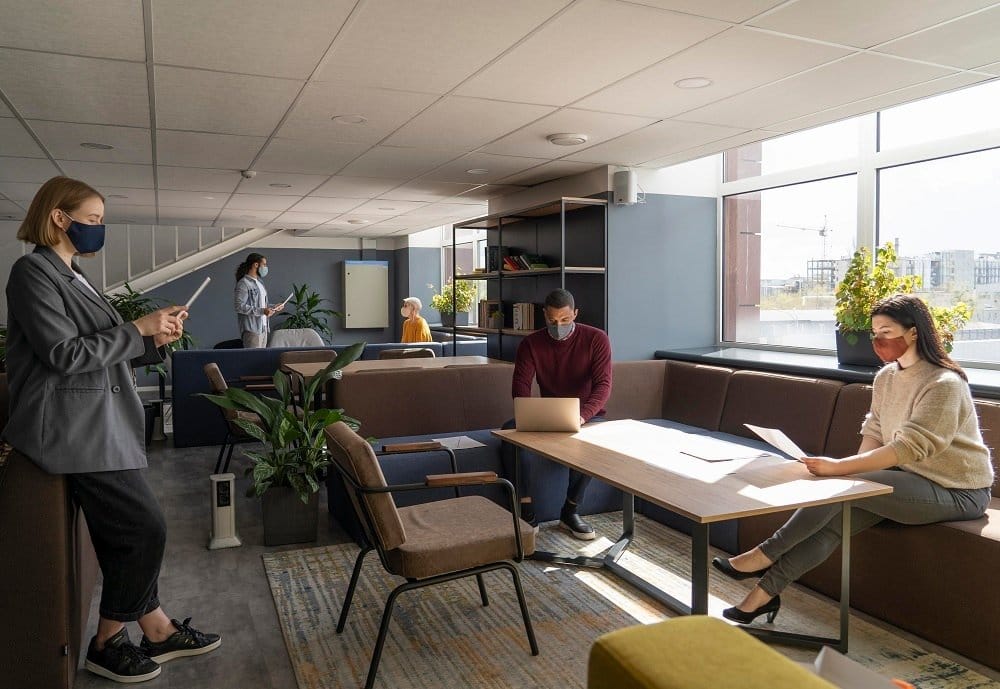
Creating wellness rooms in the workplace requires thoughtful planning. A wellness room should feel calm, comfortable, and welcoming. The goal is to create a space that encourages relaxation and mental recovery.
One of the most important elements is a quiet environment. The room should be located away from noisy areas such as meeting rooms or busy hallways. A peaceful environment helps employees relax quickly.
Comfortable furniture is also essential. Soft chairs, lounge seating, or small couches allow employees to sit or lie down comfortably. Some companies also include yoga mats or stretching areas.
Lighting plays a major role in creating a relaxing atmosphere. Soft and warm lighting works better than bright office lights. Natural light can also make the space feel more peaceful and refreshing.
Another important feature is privacy. Employees should feel comfortable using the wellness room without interruptions. Simple privacy signs or booking systems can help ensure the room remains quiet and available when needed.
Ideas for Designing Wellness Rooms in the Workplace
There are many ways to design wellness rooms depending on the size and needs of the workplace. Even a small room can be transformed into a relaxing wellness space with the right design.
Plants are a simple way to create a calming environment. Natural elements help reduce stress and make the space feel fresh and welcoming.
Many companies also add meditation cushions or yoga mats. Employees can use these for breathing exercises, stretching, or short meditation sessions.
Soft music or white noise machines can help block outside sounds and create a peaceful atmosphere. This allows employees to relax without distractions from the office environment.
Some organizations also include wellness tools such as massage chairs, aromatherapy diffusers, or relaxation apps. These additions can improve the overall wellness experience for employees.
The design should remain simple and uncluttered. A clean and organized space naturally encourages relaxation and calmness.
How Wellness Rooms Support Employee Mental Health
Mental health has become a major concern in modern workplaces. Stress, workload pressure, and constant communication can affect employee well-being. Wellness rooms provide a solution by offering a quiet space for emotional recovery.
When employees feel overwhelmed, stepping away from their desks for a few minutes can make a big difference. A wellness room allows employees to clear their minds and regain focus.
Regular short breaks also help improve emotional balance. Employees who use wellness rooms often return to work feeling calmer and more positive.
These spaces also support employees who may be dealing with personal stress or anxiety. A few minutes in a quiet environment can help them manage difficult moments during the workday.
Companies that support mental health build stronger and more resilient teams.
Steps for Creating Wellness Rooms in the Workplace
Organizations that want to introduce wellness rooms can follow a simple process. Planning and employee feedback are important for creating a space that truly supports staff needs.
| Step | Action |
|---|---|
| Step 1 | Identify a quiet space in the office that can be used for wellness activities. |
| Step 2 | Gather employee feedback about what features they would like in the room. |
| Step 3 | Add comfortable furniture and calming design elements. |
| Step 4 | Set simple guidelines to ensure the room remains peaceful. |
| Step 5 | Encourage employees to use the wellness room when they need a break. |
Following these steps helps create a wellness room that employees will actually use and appreciate.
The Future of Wellness Rooms in the Workplace
Workplace wellness is becoming a priority for organizations around the world. Companies are learning that employee well-being directly affects performance, creativity, and long-term success.
As work environments continue to evolve, wellness rooms will likely become a common feature in many offices. Businesses that invest in employee health often build stronger workplace cultures and better employee relationships.
Remote work and hybrid work models have also increased awareness about mental health. Even in traditional office settings, employees need spaces where they can recharge and reduce stress.
Creating wellness rooms in the workplace is a practical step toward building healthier and more supportive work environments. These rooms help employees manage stress, improve focus, and maintain a better balance during the workday.
Organizations that focus on employee wellness create workplaces where people feel valued, respected, and motivated to perform their best.