
Creative Office Layout Concepts for Growing Startups
Growing startups often face many challenges. One of the important challenges is creating a productive and flexible workspace. A well-planned office layout can improve teamwork, increase productivity, and create a positive work environment. Startups usually grow quickly, so their office space must support collaboration, creativity, and future expansion.
Creative office layouts are designed to make the workplace more comfortable and efficient. They help employees work better together while also giving them space to focus on their tasks. A smart layout can also make a small office look bigger and more organized.
This article explains what creative office layout concepts are and how they help growing startups build a better work environment.
What Is a Creative Office Layout?
A creative office layout is the way an office space is arranged to support productivity, communication, and flexibility. It focuses on designing work areas that help employees collaborate easily while also giving them spaces for concentration and relaxation.
Instead of traditional offices with fixed desks and closed rooms, creative layouts use open spaces, flexible furniture, shared workstations, and collaborative zones. These layouts are designed to match the modern way of working where teams communicate frequently and projects change quickly.
For startups, this type of layout is very useful because it allows the office to adapt as the company grows. It also helps create an inspiring environment where employees feel motivated and engaged in their work.
Importance of Office Layout for Growing Startups
Startups often begin with small teams, but they grow fast. A poorly designed office layout can cause problems such as lack of space, poor communication, and reduced productivity.
A creative office layout helps startups manage space better and create a work environment that supports innovation. It allows teams to work closely together while also providing areas for meetings, brainstorming sessions, and individual work.
Another advantage is employee satisfaction. When employees work in a comfortable and well-organized office, they feel more motivated and focused. This can lead to better performance and improved results for the business.
A good office layout also makes a positive impression on clients and visitors. It shows that the company values creativity, organization, and modern work practices.
Open Workspace Layout
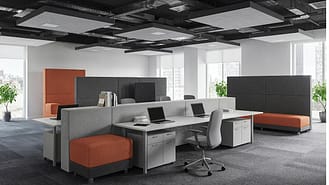
One of the most popular office layouts for startups is the open workspace layout. In this design, employees work in a shared space without many walls or separate cabins.
This layout encourages communication between team members. It becomes easier to discuss ideas, solve problems, and work together on projects. Open spaces also make the office feel larger and brighter.
However, it is important to balance open areas with quiet zones where employees can focus without distractions. Adding small meeting rooms or soundproof booths can help maintain productivity.
Startups often prefer open layouts because they are cost-effective and flexible. As the team grows, desks and workstations can easily be rearranged without major changes.
Flexible Workstations
Flexible workstations are another important concept in creative office design. Instead of assigning a fixed desk to every employee, the office provides shared workstations that employees can use when needed.
This system is often called hot-desking. It allows employees to choose where they want to work based on their tasks. For example, they may sit near their team during group work and move to a quiet area when they need to focus.
Flexible workstations help startups save space and make better use of the office. They are especially useful for companies with remote workers or employees who travel frequently.
The furniture used in flexible workstations is usually lightweight and easy to move. Adjustable desks, modular tables, and portable chairs allow the office layout to change quickly when required.
Collaborative Work Areas
Collaboration is essential for startups because new ideas and solutions often come from teamwork. Creative office layouts include special areas where employees can gather to discuss projects and share ideas.
These collaborative zones may include large tables, comfortable seating, whiteboards, and presentation screens. Teams can use these spaces for brainstorming sessions, planning meetings, or quick discussions.
Unlike formal meeting rooms, collaborative areas are designed to be casual and welcoming. This encourages employees to share ideas freely and think creatively.
Startups benefit greatly from these spaces because they promote innovation and faster decision-making.
Quiet Zones for Focused Work
While teamwork is important, employees also need quiet areas where they can concentrate on individual tasks. Creative office layouts usually include focus zones or quiet rooms.
These areas are separated from busy sections of the office and designed to reduce noise and distractions. Employees can use them for tasks that require deep thinking, writing, or analysis.
Providing quiet zones helps maintain a balance between collaboration and concentration. Without these spaces, employees may find it difficult to complete complex work in a busy office environment.
Startups that include quiet areas in their office layout often see improved productivity and better work quality.
Breakout and Relaxation Spaces
Breakout areas are informal spaces where employees can relax, take short breaks, or have casual conversations. These spaces are an important part of creative office design.
Relaxation areas may include sofas, lounge chairs, coffee tables, and even small game zones. Employees can step away from their desks and refresh their minds before returning to work.
Short breaks improve focus and reduce stress. When employees feel relaxed and comfortable, they perform better and stay motivated throughout the day.
Breakout spaces also encourage informal discussions that may lead to new ideas and solutions.
Smart Use of Small Office Space
Many startups operate in small offices, especially in the early stages. Creative layouts help make the most of limited space.
Instead of large private cabins, startups often use open desks, shared meeting rooms, and multifunctional furniture. Storage spaces are designed vertically to save floor space.
Walls can also be used creatively by adding boards for notes, project tracking, or creative displays. This keeps the office organized while making important information easily visible.
The goal is to create a workspace that feels open, organized, and comfortable even in a smaller area.
Technology-Friendly Office Layout
Modern startups rely heavily on technology. A creative office layout must support digital tools and devices.
This includes providing enough power outlets, charging stations, and strong internet connectivity throughout the office. Meeting rooms should have screens or projectors for presentations and video conferences.
Technology-friendly layouts also include cable management systems that keep wires organized and prevent clutter.
By integrating technology into the office design, startups can improve communication, efficiency, and productivity.
Example of Office Layout Elements for Startups
| Office Area | Purpose | Benefit |
|---|---|---|
| Open Workspace | Shared desks for team members | Encourages communication |
| Flexible Workstations | Moveable desks and seating | Saves space and allows flexibility |
| Collaboration Zone | Meeting tables and whiteboards | Supports brainstorming |
| Quiet Rooms | Noise-free work areas | Improves concentration |
| Breakout Area | Relaxation space | Reduces stress and boosts creativity |
| Tech Stations | Charging and device support | Supports digital work |
This table shows how different office layout elements support productivity and teamwork in a startup environment.
Benefits of Creative Office Layouts
Creative office layouts offer several advantages for startups. First, they improve communication between employees. Open spaces and collaborative areas make it easier to share ideas and solve problems quickly.
Second, they increase productivity. Employees work more efficiently when they have both collaborative and quiet spaces available.
Third, creative layouts support company growth. As the team expands, the office can be rearranged without major renovations.
Finally, these layouts help create a modern and attractive workplace. This can improve employee satisfaction and help startups attract talented professionals.
Conclusion
Creative office layout concepts play an important role in building a productive and inspiring workplace for growing startups. These layouts focus on flexibility, collaboration, and efficient use of space.
By using open workspaces, flexible desks, collaborative zones, quiet areas, and relaxation spaces, startups can create an environment where employees feel motivated and comfortable.
A well-designed office layout not only improves productivity but also supports creativity and teamwork. For startups that want to grow successfully, investing time in planning the right office layout can make a significant difference in how the team works and performs.