
Designing Functional Multi-Purpose Training Rooms
Training rooms are important spaces in many organizations. Companies, institutions, and training centers use these rooms to conduct meetings, workshops, employee training, and presentations. Because different activities take place in the same room, it is important to design a space that is flexible and functional. Designing functional multi-purpose training rooms means creating a space that can easily support different types of learning and communication activities.
A well-designed training room helps people learn better, stay comfortable, and focus on the topic being discussed. It also helps trainers deliver their sessions smoothly without facing technical or space-related problems. When a room is carefully planned, it becomes useful for many purposes such as seminars, group discussions, video conferences, and hands-on training sessions.
Organizations today prefer multi-purpose rooms because they help save space and money. Instead of creating separate rooms for different activities, one room can be designed to handle multiple functions. This approach also allows businesses to adapt to changing needs in the future.
Understanding Multi-Purpose Training Rooms
Multi-purpose training rooms are spaces designed to support different training styles and learning activities. These rooms are not limited to only one setup. They can be rearranged and customized based on the type of training session.
For example, a training room may be used for classroom-style learning in the morning, group discussions in the afternoon, and presentations in the evening. Because of this, the room must be designed in a way that allows quick changes in layout and equipment.
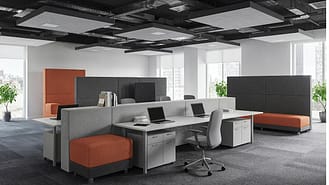
These rooms usually include movable furniture, flexible seating arrangements, digital presentation tools, and comfortable lighting. The main goal is to create an environment where trainers and participants can easily interact and focus on learning.
A good training room design improves productivity and learning outcomes. When participants feel comfortable and the technology works properly, the training becomes more effective.
Importance of Functional Training Room Design
Designing functional multi-purpose training rooms is important for several reasons. One of the main reasons is efficiency. When a room supports multiple functions, it reduces the need for additional spaces.
Another reason is improved learning. If the environment is comfortable and well organized, participants can concentrate better. Proper lighting, sound systems, and seating arrangements play a big role in creating a positive learning environment.
Training rooms also represent the professionalism of an organization. When clients, employees, or partners attend a training session, the space reflects the company’s attention to detail and commitment to quality.
A well-designed room also helps trainers manage sessions effectively. Easy access to technology, clear visibility of screens, and proper seating arrangements make it easier for trainers to communicate with participants.
Key Elements in Designing Functional Multi-Purpose Training Rooms
Several important elements must be considered when designing multi-purpose training rooms. These elements help ensure that the space works efficiently for different activities.
Flexible Furniture
Furniture plays a major role in training room design. Tables and chairs should be movable and lightweight so they can be rearranged easily. This allows the room to switch between classroom layouts, boardroom setups, or group discussion formats.
Stackable chairs and folding tables are often used because they save space and allow quick changes in the room layout.
Technology Integration
Modern training rooms require reliable technology. This includes projectors, interactive screens, audio systems, and high-speed internet. These tools help trainers deliver presentations, show videos, and conduct online sessions.
Technology should be installed in a way that it is easy to use and accessible from different areas of the room. Wireless connectivity also helps reduce cable clutter.
Lighting and Visibility
Lighting affects how people focus and interact during training sessions. Natural light is helpful because it creates a comfortable environment. However, artificial lighting must also be adjustable so it can support presentations and screen viewing.
Proper lighting ensures that participants can see the trainer, presentation screens, and their work materials clearly.
Sound and Acoustics
Clear sound is essential in training rooms. Participants should be able to hear the trainer without difficulty. Poor acoustics can make communication difficult and reduce the effectiveness of training.
Acoustic panels, microphones, and quality speakers help improve sound clarity in large or busy training spaces.
Common Layout Options for Multi-Purpose Training Rooms
Different training activities require different seating arrangements. Designing a room that can support multiple layouts is very important.
Below is a table showing common training room layouts and their uses.
| Layout Type | Description | Best Use |
|---|---|---|
| Classroom Style | Rows of tables and chairs facing the trainer | Lectures and presentations |
| U-Shape Layout | Tables arranged in a U formation | Group discussions and workshops |
| Boardroom Layout | Large central table with chairs around | Meetings and strategy sessions |
| Theatre Style | Chairs arranged in rows without tables | Large presentations or seminars |
| Cluster Layout | Small groups of tables and chairs | Team activities and collaborative work |
Having furniture that can easily switch between these layouts helps a room function for many different purposes.
Space Planning for Training Rooms
Space planning is an important step when designing functional multi-purpose training rooms. The room must provide enough space for movement, equipment, and comfortable seating.
Participants should not feel crowded during sessions. Trainers also need space to move around while presenting or assisting participants.
Walkways between seating areas help participants move freely without disturbing others. Adequate space near walls or corners can also be used for storage, equipment, or additional seating if required.
Planning the space properly ensures that the room remains comfortable even when fully occupied.
Storage and Organization
Multi-purpose training rooms often require various tools and materials. These may include whiteboards, markers, cables, microphones, laptops, and training materials.
Having proper storage helps keep the room organized. Cabinets, storage racks, or hidden compartments can store equipment when it is not in use.
Organized spaces help trainers set up quickly and prevent distractions during training sessions.
Comfort and Environment
Comfort is another important factor in training room design. Participants may spend several hours in the room, so the environment must support long sessions.
Comfortable seating, proper air circulation, and temperature control are important elements. If the room becomes too hot or too cold, participants may lose focus.
Colors and interior design also affect the atmosphere of the room. Neutral colors often work best because they create a calm and professional environment.
Plants or simple decorative elements can make the room feel welcoming without distracting participants.
Future-Proofing the Training Room
Organizations should also think about future needs when designing functional multi-purpose training rooms. Technology and training methods change over time, so the room should be able to adapt.
Installing modular furniture, extra power outlets, and flexible technology systems helps the room stay useful for many years.
For example, more organizations are using hybrid training sessions where some participants join online while others attend in person. Training rooms should be prepared for this type of setup.
Future-ready spaces help organizations avoid costly redesigns later.
Conclusion
Designing functional multi-purpose training rooms requires careful planning and attention to detail. These rooms must support different training styles, seating layouts, and technology needs.
A well-designed training room provides flexibility, comfort, and efficiency. It allows organizations to conduct presentations, workshops, discussions, and online sessions in the same space.
By focusing on elements such as flexible furniture, proper lighting, sound quality, technology integration, and space planning, organizations can create training rooms that support learning and collaboration.
When a training room is designed thoughtfully, it becomes a valuable space that improves communication, knowledge sharing, and professional development within an organization.