
Designing Offices That Attract and Retain Top Talent
Modern businesses are no longer competing only with products and services. They are also competing to attract and keep talented employees. Skilled professionals today look beyond salary. They want a workplace that supports productivity, creativity, comfort, and well-being. Because of this, office design has become an important factor for companies that want to build strong teams.
Designing offices that attract and retain top talent means creating a workplace where employees feel motivated, comfortable, and connected to the company’s vision. A well-designed office environment can improve employee satisfaction, increase productivity, and help businesses keep their best workers for a long time.
Many companies are now investing in thoughtful office design to build a positive work culture. When employees feel happy in their workspace, they are more likely to stay with the organization and perform at their best.
What Designing Offices That Attract and Retain Top Talent Means
Designing offices that attract and retain top talent refers to creating workspaces that support employee needs, encourage collaboration, and improve overall work experience.
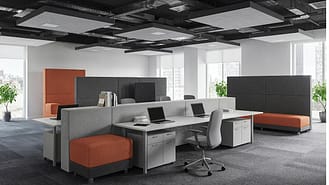
Traditional offices were designed mainly for management control. They focused on rows of desks and limited flexibility. Today, modern office design focuses on employee experience. It includes open spaces, comfortable seating, collaborative zones, quiet work areas, and wellness-focused features.
The goal is to design an environment where employees can work efficiently while feeling comfortable and inspired. When companies provide such spaces, employees feel valued and connected to their workplace.
An attractive office design also creates a positive first impression for job candidates. When potential employees visit a well-designed office, it reflects the company’s professionalism, culture, and long-term vision.
Why Office Design Matters for Attracting Top Talent
Talented professionals often have multiple job options. When choosing where to work, they consider several factors including company culture, growth opportunities, and workplace environment.
A modern and well-planned office space signals that the company cares about its employees. Comfortable lighting, modern furniture, flexible workspaces, and creative design elements show that the organization invests in employee well-being.
Employees also want environments that allow them to collaborate easily. Offices designed with meeting rooms, discussion spaces, and team areas encourage communication and idea sharing. This helps employees feel more engaged with their work.
Companies that ignore workplace design may struggle to attract skilled professionals. Talented workers prefer workplaces that support creativity, comfort, and innovation.
Office Design and Employee Retention
Keeping talented employees is as important as hiring them. High employee turnover can be expensive for businesses. Recruiting, training, and onboarding new employees require time and resources.
An effective office design helps improve employee retention by creating a positive work environment. Employees who feel comfortable in their workspace are more likely to remain loyal to their company.
A well-designed office reduces stress and improves focus. Natural lighting, ergonomic furniture, and organized layouts contribute to better employee health and productivity.
Employees also appreciate workplaces that provide relaxation spaces, breakout areas, and quiet zones. These features allow workers to recharge during the day and maintain a healthy work balance.
Key Elements of Designing Offices That Attract and Retain Top Talent
Several important elements must be considered when designing offices that attract and retain top talent. These elements help create a workplace that supports productivity, collaboration, and employee satisfaction.
Flexible Workspaces
Flexibility is one of the most important aspects of modern office design. Employees perform different tasks throughout the day. Some tasks require deep focus while others require collaboration.
Flexible workspaces allow employees to move between different environments depending on their work needs. These spaces may include open desks, quiet rooms, meeting areas, and casual seating zones.
This flexibility helps employees feel more comfortable and productive during their workday.
Comfortable and Ergonomic Furniture
Employee comfort plays a major role in workplace satisfaction. Ergonomic chairs, adjustable desks, and well-designed workstations help reduce physical strain.
When employees sit for long hours, poor furniture design can lead to health issues such as back pain and fatigue. Companies that invest in ergonomic furniture show that they care about employee well-being.
Comfortable employees can focus better and maintain productivity throughout the day.
Natural Light and Proper Ventilation
Lighting and air quality significantly affect employee performance. Offices with natural light create a more pleasant working environment.
Natural lighting helps improve mood, reduce stress, and increase energy levels. Employees working in bright and well-ventilated spaces often feel more motivated.
Proper ventilation also ensures fresh air circulation, which helps maintain a healthy workspace.
Collaboration Areas
Teamwork is essential for innovation and problem solving. Offices designed with collaboration spaces encourage employees to interact and exchange ideas.
These areas may include meeting rooms, brainstorming zones, informal seating areas, and open discussion spaces.
When employees have dedicated areas for teamwork, communication becomes easier and projects move forward more efficiently.
Quiet Zones for Focused Work
While collaboration is important, employees also need quiet spaces for concentration. Offices that only offer open layouts may create distractions.
Quiet zones allow employees to focus on tasks that require deep thinking and minimal interruptions.
These areas improve productivity and help employees complete their work more effectively.
Office Design Features That Help Attract and Retain Talent
Below is a table showing important office design features and their benefits for employees.
| Office Design Feature | Benefit for Employees |
|---|---|
| Flexible Workspaces | Allows employees to choose the best place for their tasks |
| Ergonomic Furniture | Improves comfort and reduces health problems |
| Natural Lighting | Boosts mood and productivity |
| Collaboration Areas | Encourages teamwork and communication |
| Quiet Zones | Helps employees focus on complex tasks |
| Breakout Areas | Provides space for relaxation and informal discussions |
| Green Elements | Improves workplace atmosphere and reduces stress |
These features contribute to a positive workplace experience and help companies build a strong and motivated workforce.
The Role of Workplace Culture in Office Design
Office design is closely connected with company culture. A workspace should reflect the values and goals of the organization.
For example, companies that focus on innovation often design creative spaces with open layouts and brainstorming areas. Organizations that value privacy and focus may include more quiet rooms and individual workspaces.
When office design matches company culture, employees feel a stronger connection with their workplace.
Companies can also include design elements such as brand colors, motivational artwork, and interactive spaces. These features help employees feel part of a larger mission and purpose.
Technology Integration in Modern Office Design
Modern workplaces rely heavily on technology. Offices designed to attract top talent must include advanced technological infrastructure.
High-speed internet, smart meeting rooms, video conferencing systems, and digital collaboration tools support efficient communication and workflow.
Technology-friendly office design also helps companies support hybrid work models. Many organizations now allow employees to work both in-office and remotely.
Providing the right technological setup ensures employees can work effectively regardless of their location.
Wellness-Focused Office Design
Employee wellness has become a major priority for modern companies. Designing offices that support physical and mental well-being helps improve job satisfaction and productivity.
Wellness-focused office design may include relaxation zones, indoor plants, fitness spaces, and comfortable lounges.
Green elements such as plants and natural materials help create a calming atmosphere. These features reduce stress and make the workplace more enjoyable.
Companies that prioritize employee wellness often see higher engagement levels and lower employee turnover.
First Impressions for Job Candidates
Office design also plays a major role during recruitment. When job candidates visit a company office, they observe the environment carefully.
A modern, organized, and visually appealing workspace creates a positive impression. It signals that the company is professional, forward-thinking, and employee-focused.
Candidates often imagine themselves working in the environment they see during interviews. If the office feels welcoming and inspiring, they are more likely to accept job offers.
Long-Term Benefits of Strategic Office Design
Investing in thoughtful office design offers long-term advantages for businesses.
Companies benefit from improved employee productivity, stronger collaboration, better retention rates, and enhanced company reputation. A well-designed workplace also supports innovation and creativity.
Employees who feel comfortable and motivated in their workspace are more likely to contribute ideas, solve problems, and help the company grow.
Over time, a well-designed office becomes a powerful tool for building a strong organizational culture and attracting high-performing professionals.
Conclusion
Designing offices that attract and retain top talent is about creating environments that support employee success. Modern office design focuses on comfort, flexibility, collaboration, and well-being.
When businesses design workplaces that prioritize employee experience, they create stronger teams and healthier work cultures. Talented professionals prefer organizations that provide inspiring and comfortable workspaces.
By investing in thoughtful office design, companies can attract skilled professionals, keep valuable employees, and build a workplace where people enjoy coming to work every day.