Creating a Third Place at Work to Foster Connection
Modern workplaces are changing quickly. Employees no longer want to come to the office only to complete tasks and leave. They want to feel comfortable, valued, and connected to others. This is where the idea of creating a “third place” at work becomes important. A third place is an environment that is neither home nor the traditional workspace. It is a welcoming area where employees can relax, collaborate, and build relationships naturally.
Organizations that focus on creating a third place at work often see stronger teamwork, better communication, and improved employee satisfaction. When people feel connected, they work better together and stay longer with the company. Understanding what a third place is and how to build one can help any business create a more positive and productive work culture.
What Is a “Third Place” at Work?
The concept of a third place originally referred to social spaces like cafés, libraries, or community centers where people gather outside of home and work. In the workplace context, a third place is a thoughtfully designed area within the office that encourages informal interaction, comfort, and collaboration.
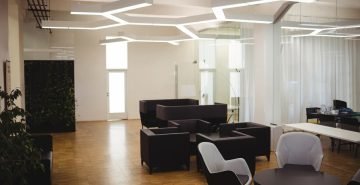
Unlike formal meeting rooms or individual desks, a third place at work feels relaxed and flexible. Employees can use it to have casual conversations, brainstorm ideas, take short breaks, or simply recharge mentally. The goal is to create a human-centered environment that supports connection and well-being.
A well-designed third place does not feel forced or overly corporate. Instead, it feels natural, inviting, and easy to use. When employees willingly spend time there, it becomes a powerful tool for building workplace relationships.
Why Creating a Third Place at Work Matters
Many companies underestimate the impact of informal spaces. However, research and workplace trends clearly show that meaningful connections improve employee performance and retention. Creating a third place at work helps fill the gap between formal work zones and private spaces.
One major benefit is improved collaboration. When employees meet casually, they often share ideas more freely than in structured meetings. This leads to faster problem-solving and more creative thinking.
Another important advantage is employee well-being. Continuous desk work can lead to stress and mental fatigue. A third place offers a mental reset area where employees can relax briefly and return to work more focused.
It also strengthens company culture. When people from different departments interact naturally, silos break down. Over time, this builds trust and a stronger sense of belonging within the organization.
Key Features of an Effective Third Place at Work
Not every lounge or break room becomes a successful third place. The design, layout, and purpose must be carefully planned. Below is a helpful comparison of essential elements.
| Feature | Why It Matters | Practical Example |
|---|---|---|
| Comfortable Seating | Encourages people to stay longer | Sofas, lounge chairs |
| Flexible Layout | Supports different activities | Movable furniture |
| Warm Lighting | Creates a relaxed mood | Soft ambient lights |
| Acoustic Control | Reduces noise distractions | Sound panels |
| Technology Access | Supports hybrid work needs | Charging ports, Wi-Fi |
| Natural Elements | Improves mood and focus | Indoor plants |
Each of these features contributes to making the space inviting and functional. When combined properly, they transform an ordinary break area into a true third place.
How to Design a Third Place at Work That Employees Actually Use
Designing a third place is not only about furniture and décor. It requires understanding employee behavior and workplace culture. The most successful spaces are built around real employee needs rather than assumptions.
Start by observing how people currently interact in the office. Notice where informal conversations already happen. These natural gathering points often reveal the best location for a third place.
Next, focus on comfort and flexibility. Employees should feel free to use the space for quick chats, solo work, or small group discussions. Avoid making the area look too formal or restricted.
It is also important to keep the space easily accessible. If the third place is hidden or far from main work zones, employees may ignore it. Visibility encourages spontaneous use, which is essential for fostering connection.
Finally, gather feedback after implementation. Employee preferences may change over time, and small adjustments can greatly improve usage.
The Role of Office Interior Design in Building Connection
Office interior design plays a critical role in the success of a third place. The physical environment directly influences how people feel and behave. A cold, rigid layout discourages interaction, while a warm and open design invites conversation.
Color psychology is one important factor. Soft neutral tones, natural textures, and warm accents help create a welcoming atmosphere. Overly bright or corporate colors can make the space feel formal and less relaxing.
Furniture selection also matters. Mixing different seating types—such as lounge chairs, high tables, and soft sofas—supports different working styles. This variety makes the third place more inclusive.
Lighting should be layered. Natural light is ideal, but when that is limited, warm ambient lighting can create a comfortable environment. Harsh overhead lights should be avoided in relaxation areas.
When design elements work together, the third place becomes a natural extension of the workplace rather than a disconnected break room.
Common Mistakes to Avoid When Creating a Third Place at Work
Many organizations invest in lounge spaces but fail to achieve real engagement. Understanding common mistakes can help avoid wasted effort and budget.
One frequent mistake is making the space too formal. If the area looks like another meeting room, employees will treat it the same way and avoid casual interaction.
Another issue is poor placement. A third place located in a remote corner of the office rarely gets attention. Accessibility and visibility are critical for success.
Noise management is also often overlooked. If the space becomes too loud, nearby employees may complain, and management may restrict its use. Proper acoustic planning is essential.
Some companies also fail to define the purpose of the space. While flexibility is important, employees should still understand that the area is meant for connection, informal collaboration, and relaxation.
Avoiding these mistakes greatly increases the chances of building a successful third place.
How a Third Place Supports Hybrid and Modern Work Culture
Today’s workforce is more flexible than ever. Hybrid work models have changed how employees interact with the office. Instead of coming in only for individual tasks, many employees visit the office primarily for collaboration and connection.
This shift makes creating a third place at work even more valuable. It gives employees a reason to come in and engage with colleagues. When designed properly, it becomes the social heart of the workplace.
A third place also supports cross-functional teamwork. Remote workers who visit occasionally can quickly reconnect with the team in a relaxed environment. This helps maintain strong relationships even in hybrid setups.
Companies that invest in these spaces often see higher office engagement and improved team cohesion.
Measuring the Success of Your Workplace Third Place
After creating a third place, it is important to evaluate whether it is working effectively. Success should be measured using both qualitative and quantitative indicators.
Observe how frequently employees use the space. High foot traffic usually indicates strong acceptance. You can also track the duration of use and peak usage times.
Employee feedback surveys provide valuable insights. Ask whether the space helps them feel more connected and comfortable at work.
Another useful metric is collaboration frequency. Teams that interact more informally often report improved communication and faster decision-making.
Over time, improvements in employee satisfaction and retention may also reflect the positive impact of a well-designed third place.
The Future of Creating a Third Place at Work
Workplaces will continue to evolve, but the human need for connection will remain constant. As organizations compete for talent, creating environments that support well-being and collaboration will become even more important.
The third place concept is expected to grow beyond simple lounges. Future workplaces may include multi-functional social hubs, wellness zones, and community-style work areas that blend comfort with productivity.
Companies that adopt this approach early position themselves as employee-focused and forward-thinking. More importantly, they create workplaces where people genuinely enjoy spending time.
Conclusion: Building Meaningful Connection Through Workplace Design
Creating a third place at work is not just a design trend. It is a strategic approach to improving workplace culture, employee engagement, and collaboration. By offering a comfortable and flexible environment between home and the traditional desk, organizations can encourage natural human interaction.
When thoughtfully planned, a third place becomes the social backbone of the office. It supports well-being, sparks creativity, and strengthens team relationships. Businesses that invest in these spaces often see long-term benefits in productivity, retention, and overall workplace satisfaction.
Organizations that want stronger teams and a more connected workforce should seriously consider creating a third place as part of their workplace strategy.