Creating Inspiring Breakout Spaces That Spark Creativity
Modern workplaces are changing fast. Companies are no longer focusing only on desks and meeting rooms. They now understand that creative thinking needs the right environment. This is where inspiring breakout spaces come in. These spaces give employees a place to relax, think freely, collaborate, and generate fresh ideas.
Creating inspiring breakout spaces that spark creativity is not just about adding colorful furniture or bean bags. It is about designing a purposeful environment that supports innovation, comfort, and productivity. When designed properly, breakout spaces can improve employee mood, increase collaboration, and boost overall business performance.
This article explains what inspiring breakout spaces are, why they matter, and how to design them effectively.
What Are Inspiring Breakout Spaces?
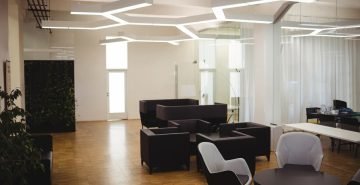
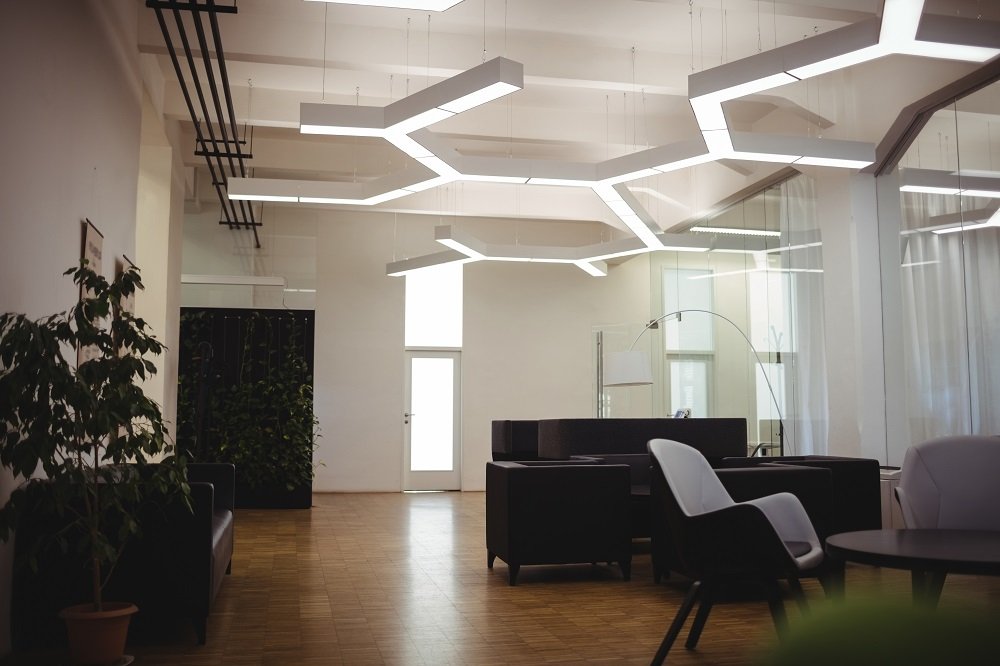
Inspiring breakout spaces are informal areas within an office where employees can step away from their regular desks to think, collaborate, or relax. Unlike traditional meeting rooms, these spaces are flexible, comfortable, and creatively designed.
Breakout spaces may include lounge seating, café-style areas, quiet corners, brainstorming zones, or collaborative hubs. The goal is to create an environment that encourages fresh thinking and open communication.
These spaces support both individual focus and group discussions. They also help reduce stress by giving employees a change of scenery during the workday.
Why Creating Inspiring Breakout Spaces Matters
Organizations that invest in well-designed breakout areas often see strong benefits. Creativity does not usually happen in rigid, formal environments. People need comfort, flexibility, and mental freedom to think differently.
Boosts Creativity and Innovation
When employees move away from their usual desks, their thinking patterns often change. A relaxed setting helps the brain generate new ideas. Soft seating, natural light, and open layouts encourage free thinking.
Creative breakout spaces act as idea incubators where teams can brainstorm without pressure.
Improves Collaboration
Traditional meeting rooms can feel formal and restrictive. Breakout spaces create a casual atmosphere where employees feel more comfortable sharing ideas. This leads to better teamwork and faster problem-solving.
Enhances Employee Well-Being
Work stress is a real issue in modern offices. Breakout areas give employees a place to recharge mentally. Short breaks in a comfortable environment can improve focus and reduce burnout.
Supports Hybrid and Flexible Work
With hybrid work models becoming common, offices must provide more than just workstations. Inspiring breakout spaces make the workplace more attractive and functional for modern teams.
Key Elements of Inspiring Breakout Spaces
Designing a successful breakout area requires careful planning. Simply placing random furniture in a corner will not deliver results. Below are the essential elements that make breakout spaces truly effective.
Comfortable and Flexible Seating
Comfort is the foundation of any breakout space. Use a mix of seating options such as:
- Lounge chairs
- Sofas
- Bean bags
- High stools
- Modular seating
Flexible furniture allows teams to rearrange the space based on their needs. Mobility encourages collaboration and keeps the area dynamic.
Natural Light and Proper Lighting
Lighting has a strong impact on mood and creativity. Whenever possible, breakout spaces should be located near windows to maximize natural light.
If natural light is limited, use warm ambient lighting instead of harsh white lights. Layered lighting works best:
- Ambient lighting for overall brightness
- Task lighting for focused work
- Accent lighting for visual interest
Good lighting makes the space feel welcoming and energizing.
Use of Colors That Inspire
Color psychology plays an important role in workplace design. Different colors influence mood and thinking patterns.
| Color | Effect on Creativity | Best Use |
|---|---|---|
| Blue | Enhances focus and calm thinking | Quiet zones |
| Green | Reduces stress and improves balance | Relaxation areas |
| Yellow | Stimulates energy and ideas | Brainstorm zones |
| Orange | Encourages enthusiasm | Collaboration spaces |
Using the right color palette helps create the desired emotional response in the breakout area.
Acoustic Comfort
Noise control is often overlooked but extremely important. Breakout spaces should allow conversation without disturbing nearby workstations.
Effective acoustic solutions include:
- Acoustic panels
- Soft furnishings
- Rugs and carpets
- Ceiling baffles
- Phone booths
Proper sound management ensures the space remains productive rather than chaotic.
Types of Breakout Spaces That Spark Creativity
Not all breakout areas serve the same purpose. The most successful offices provide a variety of spaces to support different work styles.
Collaborative Breakout Zones
These areas are designed for team discussions and brainstorming sessions. They usually include:
- Large tables
- Writable walls
- Digital screens
- Modular seating
Collaborative zones should feel open and energetic.
Quiet Focus Pods
Some employees need silence to think clearly. Quiet pods provide a distraction-free environment for deep work or private calls.
Key features include:
- Acoustic privacy
- Minimal design
- Comfortable single seating
- Soft lighting
Café-Style Break Areas
Café-inspired spaces encourage informal conversations and spontaneous meetings. These areas often become social hubs within the office.
Typical elements include:
- Café tables
- Bar stools
- Coffee stations
- Warm lighting
These spaces help build workplace culture.
Relaxation and Recharge Corners
These breakout spaces focus on employee well-being. They allow short mental breaks during busy workdays.
Common features include:
- Soft lounge seating
- Plants and greenery
- Calm color tones
- Low lighting
Relaxation zones help employees return to work refreshed.
How to Design Inspiring Breakout Spaces Step by Step
Creating inspiring breakout spaces that spark creativity requires a structured approach. Below is a practical step-by-step guide.
Step 1: Understand Employee Needs
Before designing anything, gather feedback from employees. Understand how they prefer to work, collaborate, and relax. Surveys and short interviews can provide valuable insights.
Design should always be user-focused.
Step 2: Choose the Right Location
Breakout spaces should be easily accessible but not disruptive. Ideal locations include:
- Near work zones but slightly separated
- Underused corners
- Areas near windows
- Transition spaces between departments
Good placement increases usage.
Step 3: Define the Purpose of Each Space
Avoid creating one generic breakout area. Instead, assign clear purposes such as:
- Brainstorm zone
- Quiet thinking area
- Social hub
- Informal meeting space
Purpose-driven design delivers better results.
Step 4: Select Functional Furniture
Choose furniture that balances comfort and durability. Modular and movable pieces work best because they support flexibility.
Avoid overcrowding the space. Leave enough room for movement and flow.
Step 5: Add Biophilic Elements
Nature has a powerful effect on creativity and mental health. Adding biophilic design elements can significantly improve the space.
Examples include:
- Indoor plants
- Living walls
- Natural materials like wood
- Nature-inspired colors
- Outdoor views
Even small greenery can make a big difference.
Step 6: Integrate Technology Smartly
Modern breakout spaces should support digital collaboration. Useful technology additions include:
- Wireless charging
- Power outlets
- Smart screens
- Video conferencing tools
- Strong Wi-Fi coverage
Technology should support the space without making it feel like a formal meeting room.
Common Mistakes to Avoid
Many offices invest in breakout areas but fail to achieve the desired impact. Avoid these common mistakes.
Ignoring Acoustic Planning
Without proper sound control, breakout spaces can become noisy distractions. Always plan acoustics early in the design process.
Overdesigning the Space
Too many colors, patterns, or furniture pieces can overwhelm users. Keep the design balanced and purposeful.
Poor Location Choice
If the breakout space is hidden or inconvenient, employees will not use it. Visibility and accessibility are key.
Lack of Variety
A single type of breakout area cannot serve everyone. Provide multiple options to support different work styles.
Forgetting Maintenance
Choose materials that are easy to clean and maintain. Breakout spaces experience high usage and must stay fresh.
Measuring the Success of Breakout Spaces
After creating inspiring breakout spaces, it is important to evaluate their effectiveness.
Key performance indicators include:
- Employee usage rates
- Feedback surveys
- Collaboration frequency
- Employee satisfaction scores
- Productivity improvements
Regular assessment helps refine the design over time.
Future Trends in Inspiring Breakout Spaces
Workplace design continues to evolve. Several trends are shaping the future of breakout spaces.
Flexible and reconfigurable furniture is becoming standard. Companies are also investing more in wellness-focused spaces. Technology integration is becoming more seamless and less intrusive.
Sustainability is another major trend. Offices are increasingly using eco-friendly materials, energy-efficient lighting, and recycled furniture.
Most importantly, human-centered design is becoming the priority. The focus is shifting from how spaces look to how they make people feel and perform.
Conclusion
Creating inspiring breakout spaces that spark creativity is a smart investment for modern workplaces. These spaces support innovation, improve collaboration, and enhance employee well-being. However, success depends on thoughtful planning, purposeful design, and a deep understanding of user needs.
When comfort, flexibility, lighting, acoustics, and biophilic elements come together, breakout spaces become powerful drivers of workplace performance. Organizations that prioritize these environments are better positioned to foster creativity and maintain a motivated workforce.
A well-designed breakout space is not just an office feature. It is a strategic tool that helps people think better, work better, and create better outcomes.