Design Strategies to Boost Employee Morale
Employee morale plays a very important role in the success of any organization. When employees feel motivated, respected, and comfortable in their workplace, they naturally become more productive and engaged in their work. One of the most effective ways to improve motivation in the workplace is through thoughtful design strategies. The design of an office space can influence how employees feel, think, and perform every day.
Design strategies are not only about decoration or appearance. They include the way workspaces are arranged, how lighting and colors are used, and how comfortable the office environment is for employees. A well-designed workplace can reduce stress, improve focus, and create a positive atmosphere where employees enjoy spending their time.
When organizations focus on design strategies to boost employee morale, they are investing in both employee happiness and long-term business success. A good environment helps employees feel valued, which leads to better teamwork, creativity, and overall performance.
Understanding Employee Morale in the Workplace
Employee morale refers to the overall attitude, satisfaction, and emotional well-being of employees in their workplace. High morale means employees feel motivated, appreciated, and positive about their work. Low morale, on the other hand, can lead to lack of interest, lower productivity, and higher employee turnover.
The physical workspace has a strong impact on employee morale. If the workplace feels uncomfortable, crowded, or poorly designed, employees may feel tired and stressed. But when the office environment is comfortable and thoughtfully designed, employees feel relaxed and motivated to perform their tasks.
Organizations that focus on improving workplace design often notice better employee engagement. Workers feel more connected to their company when their environment supports their needs and comfort.
Importance of Workplace Design for Employee Motivation
Workplace design affects how employees interact with each other and how efficiently they complete their tasks. A well-planned office layout helps employees collaborate easily while also providing quiet areas where they can focus on important work.
Good workplace design also supports employee health and well-being. Comfortable seating, proper lighting, and clean spaces help reduce fatigue and improve concentration. Employees who feel physically comfortable are more likely to maintain a positive attitude during their workday.
Modern companies understand that workplace design is a powerful tool for improving employee morale. Instead of treating office design as a simple decoration project, they consider it an important strategy to build a positive work culture.
Creating Comfortable and Functional Workspaces
One of the most important design strategies to boost employee morale is creating comfortable and functional workspaces. Employees spend many hours at their desks, so the workspace must support their comfort and productivity.
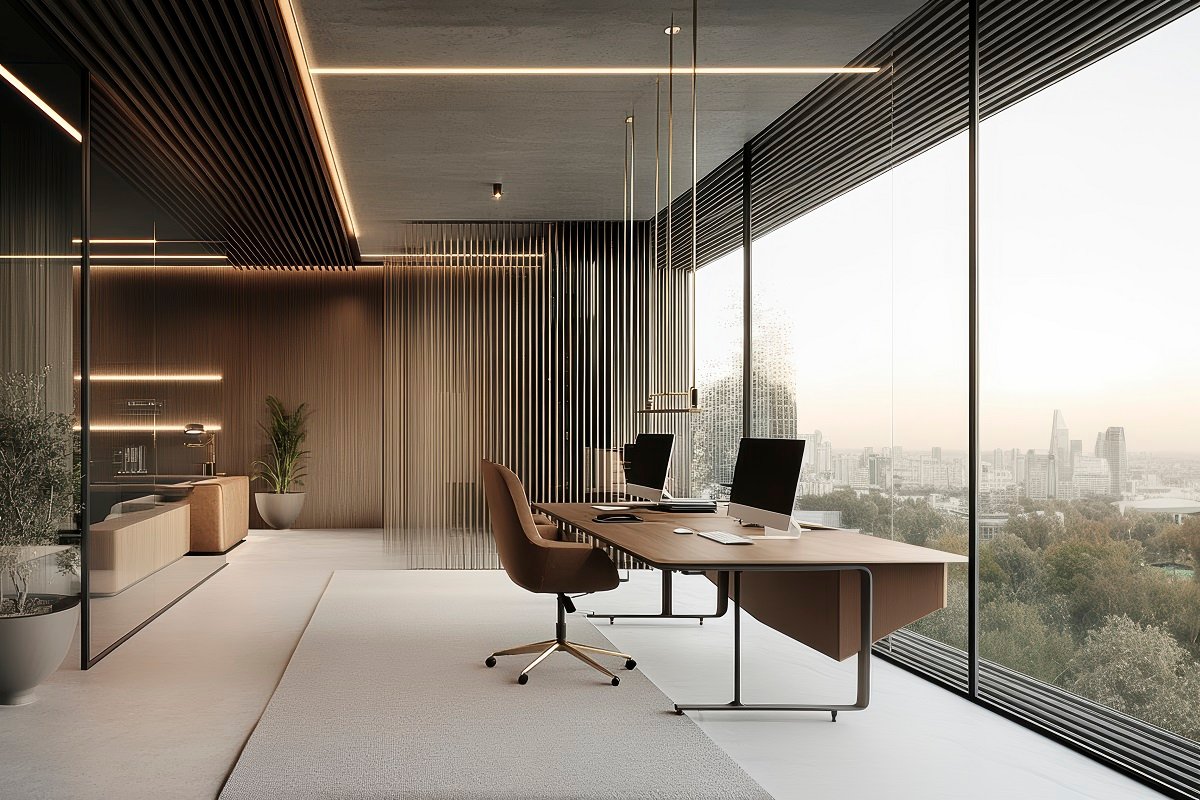
Ergonomic furniture is a key part of this strategy. Adjustable chairs, desks with proper height, and supportive seating help reduce physical strain. When employees feel comfortable while working, they can focus better and stay productive throughout the day.
Workspaces should also provide enough room for employees to organize their materials and equipment. A clutter-free environment helps employees feel more relaxed and organized.
Organizations that invest in comfortable workspaces show employees that their well-being matters, which naturally increases morale and job satisfaction.
Using Natural Light to Improve Workplace Energy
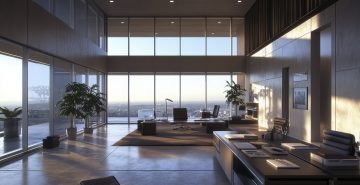
Lighting has a strong influence on employee mood and energy levels. Natural light is one of the most effective elements in workplace design. Offices with large windows and access to sunlight often create a more positive and energetic environment.
Natural light helps reduce eye strain and improves mental well-being. Employees working in bright and naturally lit spaces tend to feel more alert and motivated. Exposure to daylight also helps maintain healthy sleep patterns, which improves overall productivity.
Companies that prioritize natural lighting in their design strategies often see improvements in employee morale and job satisfaction.
Designing Spaces for Collaboration and Teamwork
Another important design strategy is creating spaces that encourage collaboration. Employees often need to discuss ideas, share feedback, and work together on projects. Offices that provide collaborative areas make communication easier and more effective.
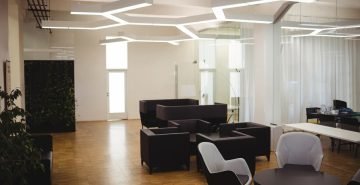
Meeting rooms, open discussion areas, and comfortable lounges allow employees to interact freely. These spaces help teams solve problems faster and encourage creative thinking.
However, collaboration spaces should be balanced with quiet zones. Some tasks require deep concentration, and employees need peaceful environments where they can work without distractions.
By combining collaborative areas with focused workspaces, organizations can create a balanced office design that supports different working styles.
Adding Relaxation Areas to Reduce Stress
Workplace stress is a common challenge in many organizations. Design strategies that include relaxation areas can help employees take short breaks and refresh their minds.
Break rooms, quiet lounges, and casual seating areas give employees a chance to step away from their desks and recharge. Even a short break in a comfortable environment can improve focus and reduce mental fatigue.
Relaxation spaces also encourage informal conversations among employees. These interactions can strengthen relationships and build a friendly workplace culture.
When employees feel that their workplace supports both productivity and relaxation, their morale naturally improves.
Using Colors and Visual Design for Positive Atmosphere
Colors and visual elements in the workplace can influence emotions and energy levels. Thoughtful use of colors is an important design strategy for improving employee morale.
Soft and calming colors can reduce stress and create a peaceful atmosphere. Bright and vibrant colors can stimulate creativity and enthusiasm. The right combination of colors can make the workplace feel more welcoming and inspiring.
Artwork, plants, and decorative elements also contribute to a pleasant environment. Natural elements such as indoor plants can improve air quality and create a refreshing atmosphere.
Organizations that focus on visual design often create workplaces where employees feel proud and motivated to work.
Flexible Workspaces for Modern Work Styles
The way people work is changing. Many employees need flexible workspaces that allow them to move between different tasks and work styles. Modern design strategies often include flexible work areas that adapt to employee needs.
For example, some employees may prefer quiet zones for focused tasks, while others may choose open areas for teamwork. Providing multiple workspace options helps employees select environments that support their productivity.
Flexible spaces can include shared desks, private booths, collaborative tables, and comfortable seating areas. This variety helps employees feel more in control of their work environment.
When employees have the freedom to choose where and how they work, their motivation and morale increase.
Improving Communication Through Smart Office Layout
Office layout plays an important role in communication between employees and teams. A well-designed layout allows employees to interact easily while maintaining a comfortable level of privacy.
Departments that work closely together should be located near each other. This arrangement helps reduce communication delays and improves teamwork. At the same time, management should ensure that noise levels remain controlled so that employees can focus on their work.
Design strategies that support smooth communication help build trust and collaboration among employees. Strong communication also leads to faster problem solving and better project outcomes.
Key Workplace Design Elements That Influence Employee Morale
| Design Element | How It Helps Employees |
|---|---|
| Natural Lighting | Improves mood and energy levels |
| Ergonomic Furniture | Reduces physical strain |
| Collaboration Spaces | Encourages teamwork |
| Quiet Zones | Supports focused work |
| Relaxation Areas | Reduces stress |
| Indoor Plants | Improves air quality and atmosphere |
These design elements work together to create a workplace that supports both productivity and employee well-being.
Long-Term Benefits of Positive Workplace Design
When companies implement effective design strategies, the benefits extend far beyond employee comfort. A positive workplace environment can lead to higher employee retention, improved productivity, and stronger company culture.
Employees who feel happy in their work environment are more likely to stay with the company and contribute to its growth. They are also more willing to share ideas, collaborate with colleagues, and support organizational goals.
Design strategies that focus on employee well-being create workplaces where people feel respected and motivated. Over time, this positive environment helps organizations build strong teams and achieve long-term success.
Conclusion
Design strategies to boost employee morale are an essential part of building a successful workplace. A well-designed office environment supports employee comfort, encourages collaboration, and reduces stress. When employees feel valued and comfortable in their workspace, they naturally become more engaged and productive.
Organizations that invest in thoughtful workplace design are not only improving their physical office spaces but also strengthening their workforce. By focusing on lighting, comfort, flexibility, and collaboration, companies can create environments where employees feel motivated and inspired every day.
A workplace designed with employee well-being in mind becomes a place where individuals can perform at their best while maintaining a positive and healthy attitude toward their work.