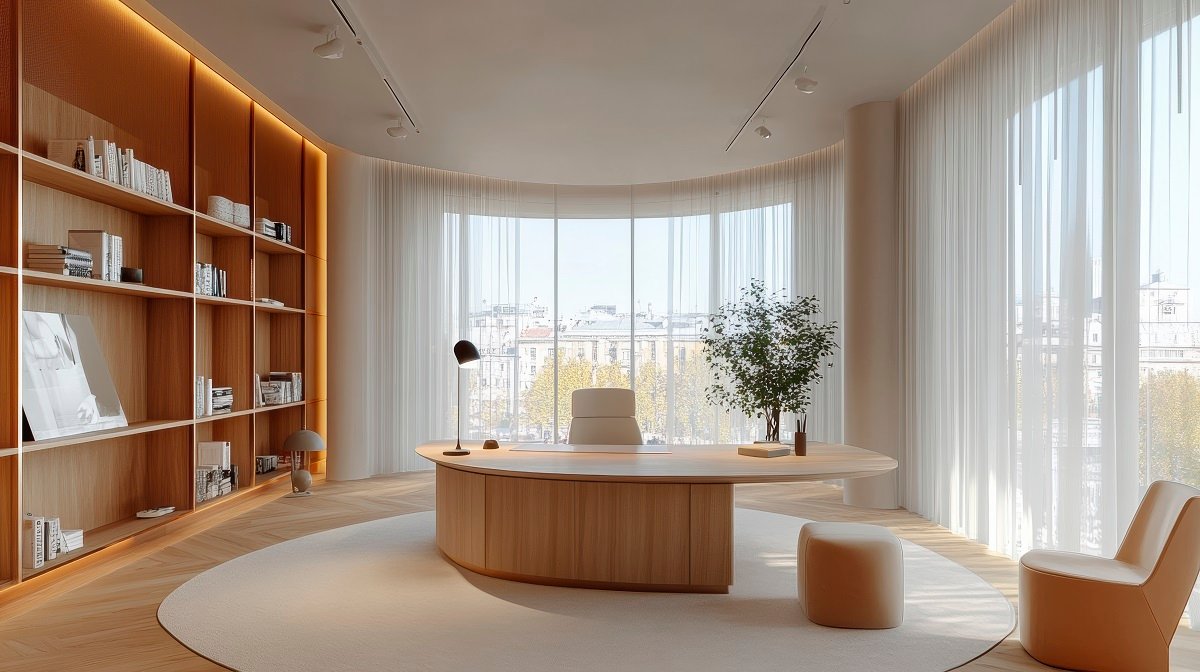
Designing Inclusive Workspaces for All Employees
Modern workplaces are changing quickly. Companies now understand that a workplace should support every employee, no matter their background, abilities, or needs. Designing inclusive workspaces for all employees means creating an environment where everyone feels comfortable, respected, and able to do their best work.
An inclusive workspace does not only focus on physical design. It also includes workplace culture, accessibility, communication, and technology that allows every employee to participate equally. When organizations invest in inclusive design, they improve productivity, employee satisfaction, and overall business success.
This article explains what inclusive workspaces are, why they are important, and how companies can design workplaces that support all employees.
What Are Inclusive Workspaces?
Inclusive workspaces are work environments designed to support employees with different needs, abilities, cultures, and working styles. These workplaces remove barriers that might prevent people from doing their jobs effectively.
In many traditional offices, the design often works well for only a limited group of people. For example, people with mobility challenges may struggle with narrow hallways, high desks, or inaccessible meeting rooms. Employees with hearing or visual impairments may face difficulties with communication tools that are not accessible.
Inclusive workspaces address these problems by making thoughtful design choices. These include accessible furniture, quiet work areas, flexible seating, and technology that helps everyone communicate clearly.
Companies that design inclusive workspaces create environments where employees feel valued and supported. This leads to better teamwork, higher engagement, and stronger employee retention.
Why Designing Inclusive Workspaces Matters
Designing inclusive workspaces for all employees is important for several reasons. First, it ensures that every employee can work comfortably and safely. When workplaces remove physical and communication barriers, employees can focus on their tasks rather than struggling with the environment.
Second, inclusive workspaces support diversity in the workplace. Companies hire people from different backgrounds, cultures, and abilities. A workplace designed for inclusion ensures that everyone has equal opportunities to succeed.
Third, businesses benefit from improved creativity and innovation. When employees from diverse backgrounds feel comfortable sharing their ideas, organizations gain new perspectives and better solutions.
Inclusive workspaces also help companies comply with accessibility regulations and workplace standards. Many countries have rules that require workplaces to be accessible for employees with disabilities.
Key Elements of Inclusive Workspace Design
Designing inclusive workspaces requires careful planning. Companies need to consider several elements that help create a comfortable and accessible environment.
1. Physical Accessibility
Physical accessibility is one of the most important aspects of inclusive workspace design. Offices should be easy to navigate for everyone, including employees with mobility challenges.
Important features include wide walkways, ramps, elevators, adjustable desks, and accessible restrooms. Furniture should also be designed to support different body types and physical needs.
Workstations should allow employees to adjust desk height, monitor placement, and seating positions to reduce discomfort and improve productivity.
2. Flexible Workspaces
Employees have different work styles. Some people work best in quiet spaces, while others prefer collaborative environments.
Flexible workspaces allow employees to choose the type of space that fits their work needs. This may include open collaboration areas, private focus rooms, and quiet zones.
Providing different workspace options helps employees stay productive and reduces stress caused by uncomfortable or noisy environments.
3. Inclusive Communication Tools
Communication is essential in any workplace. Inclusive workspaces ensure that communication tools are accessible to all employees.
For example, companies can provide captioning for video meetings, screen reader compatibility for digital documents, and visual alerts for notifications.
These tools help employees with hearing or visual impairments participate fully in meetings and workplace discussions.
4. Comfortable Lighting and Sound
Lighting and noise levels can affect employee concentration and comfort. Inclusive workspace design considers the needs of employees who may be sensitive to bright lights or loud environments.
Natural lighting, adjustable desk lamps, and sound-absorbing materials can help create a more comfortable workspace.
Quiet rooms or focus areas also help employees who need calm environments to complete their work effectively.
Inclusive Workspace Features and Their Benefits
The following table shows some common inclusive workspace features and how they help employees.
| Inclusive Feature | Purpose | Benefit for Employees |
|---|---|---|
| Adjustable desks | Allow height customization | Supports different body types and reduces strain |
| Accessible entrances | Provide ramps and automatic doors | Makes office entry easier for all employees |
| Quiet work areas | Reduce noise distractions | Helps employees focus on tasks |
| Captioned video meetings | Improve accessibility in meetings | Supports employees with hearing difficulties |
| Flexible seating | Provide different seating options | Supports different work styles |
| Clear signage | Use readable and visible signs | Helps navigation inside the workplace |
These features make workplaces more welcoming and comfortable for employees.
Supporting Employees with Different Needs
Inclusive workspace design must consider employees with different physical, sensory, and cognitive needs.
For employees with mobility challenges, accessible desks, elevators, and open pathways are essential. Employees with visual impairments benefit from large text displays, screen reader-friendly software, and good lighting.
Employees with hearing impairments may require captioned meetings, written communication, or visual notifications.
Some employees also need quiet work environments due to sensory sensitivity or concentration needs. Providing calm spaces helps these employees perform better and reduces workplace stress.
When companies design workspaces that support different needs, they create an environment where everyone can succeed.
Inclusive Workspaces and Employee Well-Being
Employee well-being is closely connected to workplace design. An inclusive workspace supports physical comfort, mental health, and emotional well-being.
Ergonomic furniture reduces the risk of back pain and other health issues caused by long working hours. Comfortable lighting and quiet workspaces reduce fatigue and improve concentration.
Employees also feel more confident and motivated when they know their workplace supports their needs. This improves job satisfaction and encourages long-term commitment to the company.
Inclusive workplaces also promote respect and collaboration among employees, which strengthens workplace relationships.
The Role of Technology in Inclusive Workspaces
Technology plays an important role in designing inclusive workspaces. Modern tools help employees communicate, collaborate, and complete tasks more efficiently.
Assistive technologies such as speech-to-text software, screen readers, and voice-controlled tools help employees with disabilities perform their tasks independently.
Digital collaboration tools also support remote and hybrid work environments. Employees can participate in meetings and projects even if they are not physically present in the office.
When companies combine inclusive design with supportive technology, they create a workplace that works for everyone.
Steps Companies Can Take to Design Inclusive Workspaces
Organizations can follow several steps to improve inclusivity in workplace design.
First, they should listen to employees and understand their needs. Employee feedback helps identify barriers that may exist in the current workspace.
Second, companies should review their office layout and identify areas that need improvement. This may include accessibility upgrades, better lighting, or more flexible workspaces.
Third, organizations should provide training that promotes awareness of workplace inclusion. Employees and managers need to understand how to support colleagues with different needs.
Finally, businesses should regularly evaluate their workplace design and update it when necessary. As work environments and technologies change, inclusive design must also evolve.
Long-Term Benefits of Inclusive Workspace Design
Designing inclusive workspaces for all employees brings long-term advantages to organizations.
Companies that invest in inclusive design attract a wider talent pool because employees prefer workplaces that respect diversity and accessibility.
Inclusive workplaces also reduce employee turnover because workers feel supported and valued. This saves companies the cost of hiring and training new employees.
Another important benefit is improved collaboration. When employees feel comfortable sharing ideas, teamwork becomes stronger and more effective.
Inclusive workspaces also strengthen a company’s reputation as a responsible and supportive employer.
Conclusion
Designing inclusive workspaces for all employees is an essential part of modern workplace strategy. An inclusive workplace removes barriers, supports different abilities, and allows every employee to perform their job comfortably.
Organizations that invest in inclusive design create healthier, more productive work environments. Employees feel respected and supported, which improves job satisfaction and teamwork.
By focusing on accessibility, flexible workspaces, inclusive communication tools, and supportive technology, companies can create workplaces that truly serve everyone.
An inclusive workspace is not just about office design. It represents a commitment to equality, respect, and opportunity for all employees.