Designing Offices That Make Commuting Worthwhile
In many cities today, employees spend a lot of time commuting to work. Long travel times can make people tired even before their workday begins. Because of this, many employees prefer working from home. However, companies that design attractive, comfortable, and productive offices can give employees a strong reason to come to the workplace. A well-designed office can improve motivation, teamwork, creativity, and job satisfaction.
Designing offices that make commuting worthwhile means creating workspaces that employees truly value. When the office offers comfort, collaboration, inspiration, and modern facilities, employees feel that coming to the workplace is beneficial. A thoughtfully designed office becomes more than a place to work. It becomes a place where people connect, learn, and grow professionally.
This article explains what it means to design offices that encourage employees to commute and how companies can create work environments that people enjoy visiting every day.
Understanding What Makes an Office Worth the Commute
Before designing an office that attracts employees, it is important to understand what workers expect from modern workplaces. Employees today want more than desks and chairs. They want spaces that support productivity, creativity, and comfort.
An office that makes commuting worthwhile usually offers a better working environment than home. This includes professional equipment, reliable technology, comfortable seating, meeting areas, and spaces for collaboration. Employees should feel that they can work better in the office compared to working alone at home.
Another important factor is the experience of being in the office. People enjoy environments that feel welcoming, organized, and inspiring. Natural lighting, open layouts, greenery, and quiet zones can make the workplace more pleasant.
When employees feel that the office supports their work and well-being, commuting becomes a valuable part of their routine rather than a burden.
The Role of Office Design in Employee Motivation
Office design plays a very important role in how employees feel about coming to work. A poorly designed office can make employees uncomfortable, distracted, and unproductive. On the other hand, a well-designed workspace can motivate employees and improve their focus.
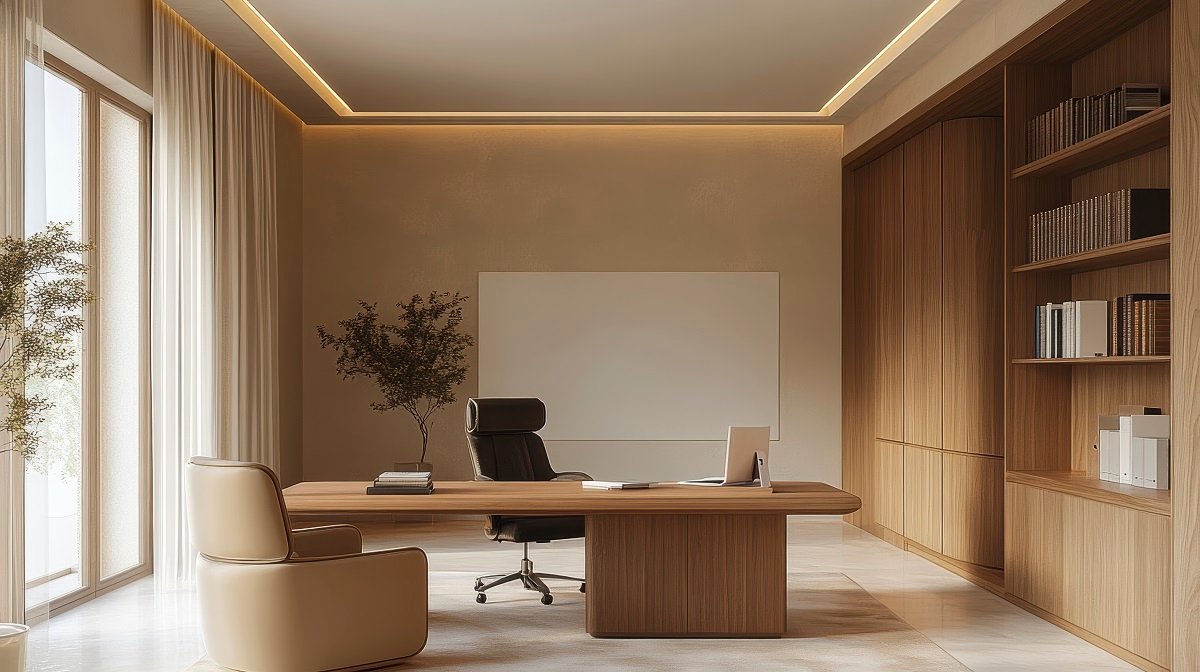
Comfortable seating, proper lighting, and good air quality are essential elements. Employees spend many hours at their desks, so ergonomics must be considered during the design process. Adjustable chairs, spacious desks, and proper screen positioning can help reduce physical strain.
The design should also allow employees to move around during the day. Spaces such as lounges, informal meeting areas, and quiet corners give employees options depending on their tasks. This flexibility helps people stay energized and engaged.
When companies invest in thoughtful office design, employees notice the effort. This can increase loyalty and make the daily commute feel worthwhile.
Creating Collaborative Workspaces
One major advantage of working in an office is the opportunity for collaboration. While remote work allows communication through digital tools, face-to-face interaction often leads to faster problem solving and stronger relationships.
Designing collaborative spaces is essential for modern offices. These spaces may include meeting rooms, brainstorming areas, team tables, and creative zones. The goal is to encourage open discussion and teamwork.
Collaborative areas should be designed to feel comfortable and welcoming. Soft seating, whiteboards, large screens, and flexible furniture can support different types of meetings and discussions.
When employees know they can easily connect with their colleagues in the office, they are more likely to see value in commuting to work.
Providing Quiet Areas for Focused Work
While collaboration is important, employees also need quiet spaces where they can concentrate on their tasks without interruptions. Many modern offices include dedicated focus areas where employees can work privately.
These quiet zones may include small rooms, phone booths, or isolated desk areas. Soundproofing materials can help reduce noise and distractions.
Providing both collaborative spaces and quiet work areas creates a balanced office environment. Employees can choose the best setting depending on their work requirements.
This balance helps employees stay productive and makes the office more useful compared to working from home.
The Importance of Comfort and Well-Being
Employees are more likely to commute to work when the office environment supports their well-being. A comfortable office can reduce stress and improve overall job satisfaction.
Several factors contribute to workplace comfort. Natural lighting is one of the most important. Offices with large windows and natural light often feel more open and pleasant. Indoor plants can also improve the atmosphere and make the space feel more relaxing.
Temperature control and proper ventilation are equally important. Employees should feel comfortable throughout the day without dealing with extreme heat or cold.
Break areas, coffee stations, and relaxation zones can also improve the work experience. These spaces allow employees to recharge during the day and interact with colleagues in a casual setting.
When employees feel physically comfortable in the workplace, commuting becomes a more positive experience.
Integrating Technology in Modern Office Design
Technology plays a major role in making offices efficient and productive. Employees expect fast internet, reliable communication tools, and modern equipment.
Meeting rooms should be equipped with video conferencing tools, screens, and sound systems so that remote team members can easily participate in discussions. Smart booking systems for meeting rooms can also improve organization.
Wireless charging stations, high-speed internet, and accessible power outlets help employees work efficiently throughout the office.
A technology-friendly workplace ensures that employees do not face delays or technical issues. This makes the office environment more productive than working remotely.
Designing Spaces That Encourage Social Interaction
One of the biggest benefits of working in an office is the opportunity for social interaction. Informal conversations often lead to new ideas, stronger relationships, and better teamwork.
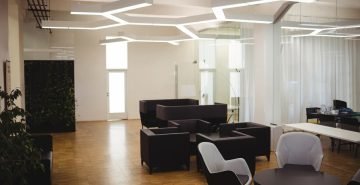
Offices can encourage social interaction by creating welcoming communal spaces. Cafeterias, lounges, and open seating areas allow employees to connect during breaks or casual meetings.
These areas should feel relaxed and comfortable. Soft seating, warm lighting, and inviting layouts can make these spaces enjoyable.
Social interaction improves workplace culture and helps employees feel more connected to their colleagues. When employees value these connections, commuting to the office becomes more meaningful.
Key Elements of Offices That Make Commuting Worthwhile
The following table summarizes important elements that make office environments attractive for employees.
| Office Design Element | Why It Matters |
|---|---|
| Comfortable Furniture | Reduces physical strain and improves productivity |
| Collaborative Spaces | Encourages teamwork and idea sharing |
| Quiet Work Zones | Supports focused and uninterrupted work |
| Natural Lighting | Improves mood and energy levels |
| Modern Technology | Makes work faster and more efficient |
| Social Areas | Builds stronger relationships among employees |
| Flexible Layout | Allows employees to choose the best work environment |
These elements work together to create a workplace that employees appreciate and enjoy visiting.
Flexible Office Layouts for Modern Work Styles
Modern work environments require flexibility. Different employees perform different types of tasks throughout the day. Some tasks require collaboration, while others require concentration.
Flexible office layouts allow employees to move between different spaces depending on their needs. Instead of assigning fixed desks for everyone, some companies create shared workstations or activity-based workspaces.
Employees can choose a quiet desk for focused work, a collaborative table for team discussions, or a lounge area for informal meetings.
This flexibility makes the office more dynamic and helps employees work more efficiently.
The Impact of Office Design on Company Culture
Office design also influences company culture. A well-designed workspace can promote transparency, communication, and innovation.
Open spaces can encourage teamwork, while well-designed meeting rooms can support strategic discussions. Creative design elements such as artwork, branding, and colors can reflect the company’s identity and values.
When employees feel proud of their workplace environment, they are more likely to engage with their work and colleagues.
A strong workplace culture often encourages employees to choose the office over remote work.
Designing Offices That Employees Want to Visit
Ultimately, designing offices that make commuting worthwhile is about understanding employee needs. Companies must think beyond basic workspaces and create environments that support productivity, collaboration, and comfort.
Employees want offices that help them perform better than they would at home. They want access to professional resources, meaningful interactions with colleagues, and spaces that support different types of work.
When companies focus on thoughtful office design, the workplace becomes a destination rather than an obligation. Employees feel motivated to come to the office because it adds value to their work experience.
Organizations that invest in modern, flexible, and comfortable office environments can build stronger teams and improve overall productivity.