Desk Sharing Made Easy: Smart Hot-Desking Design Ideas
Modern offices are changing quickly. Many companies are moving away from traditional fixed seating and adopting flexible workspaces. One of the most popular workspace strategies today is desk sharing, also known as hot-desking. This concept allows employees to use any available desk instead of having a permanent workstation.
Desk sharing helps companies use office space more efficiently while giving employees more flexibility in how they work. However, to make this system successful, businesses need smart hot-desking design ideas. Proper planning, layout, and workplace tools are essential to create a comfortable and productive environment for employees.
This article explains what desk sharing is and how smart hot-desking design ideas can make the system easy and effective in modern offices.
What is Desk Sharing?
Desk sharing is a workspace system where employees do not have assigned desks. Instead, workers choose a desk when they arrive at the office or reserve one through a booking system. This system is commonly used in hybrid workplaces where employees work both remotely and in the office.
Companies adopt desk sharing to reduce unused office space and improve workplace collaboration. Since not all employees are present in the office every day, desk sharing allows businesses to use fewer desks while still supporting their workforce.
Employees can choose a workspace that suits their tasks for the day. For example, someone who needs quiet time can sit in a focus zone, while someone working with a team can choose a collaborative area.
Desk sharing also encourages interaction between different teams because people are not restricted to sitting in the same place every day.
Why Smart Hot-Desking Design is Important
Hot-desking is more than just removing assigned desks. Without proper design, desk sharing can create confusion, discomfort, and reduced productivity. Smart design ensures that the workspace remains organized, comfortable, and efficient.
A well-designed hot-desking office provides clear desk layouts, technology support, and enough space for collaboration and focus. Employees should be able to quickly find a desk, connect their devices, and start working without difficulty.
Good design also reduces stress. When employees know where to work and have access to the tools they need, they can focus on their tasks instead of worrying about workspace issues.
Flexible Workspace Layout for Desk Sharing
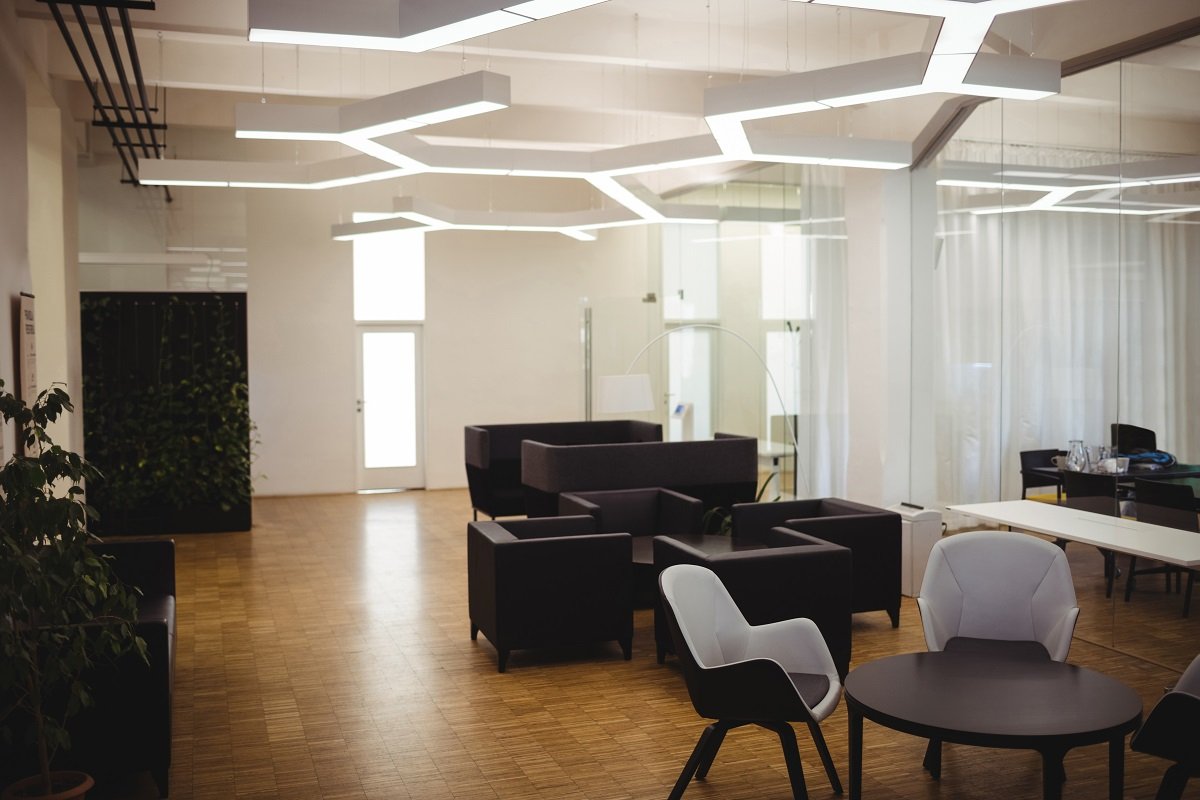
A flexible layout is one of the most important hot-desking design ideas. The office should have different zones designed for different types of work.
Some areas can be designed for quiet work where employees can focus without distractions. Other areas can support collaboration, meetings, or casual discussions.
Flexible layouts help employees choose a workspace that matches their work style. This increases comfort and improves productivity.
Companies can also include lounge seating, standing desks, and shared tables. These options allow employees to change their workspace during the day and maintain comfort while working.
Smart Desk Booking Systems
A desk booking system is an important part of a successful desk sharing environment. Without a booking system, employees may waste time searching for available desks.
Desk booking software allows employees to reserve desks before arriving at the office. Some systems also show real-time desk availability through mobile apps or office screens.
These systems make desk sharing more organized and predictable. Employees can plan their workday better because they know exactly where they will sit.
Desk booking systems can also help office managers track workspace usage. This information helps companies understand how often desks are used and whether office layouts need improvement.
Ergonomic Furniture for Hot-Desking Offices
Comfort plays a major role in desk sharing. Since different employees will use the same desks, ergonomic furniture is essential.
Adjustable chairs, height-adjustable desks, and monitor stands help employees create a comfortable workspace quickly. These features reduce strain on the body and support better posture during long working hours.
Ergonomic furniture also improves productivity. When employees are comfortable, they can focus better on their work.
Companies should choose durable furniture that can handle daily use by multiple employees.
Storage Solutions for Shared Desks
One challenge of desk sharing is the lack of personal desk storage. Employees cannot leave personal items at shared desks.
Smart storage solutions can solve this problem. Offices can provide lockers or small storage units where employees can keep their belongings safely.
Digital storage is also becoming popular. Instead of storing documents at desks, employees store files in cloud systems so they can access them from any workstation.
Providing good storage options helps employees stay organized even without a permanent desk.
Technology Integration in Hot-Desking
Technology is a key part of effective desk sharing. Employees need easy access to power, internet, and office systems.
Each shared desk should have charging ports, power outlets, and strong Wi-Fi connectivity. Docking stations can also help employees connect laptops quickly without complicated setup.
Meeting rooms should include smart screens and video conferencing tools so teams can collaborate easily.
Technology integration ensures that employees can work smoothly regardless of which desk they choose.
Clean Desk Policies for Shared Workspaces
A clean desk policy is important in desk sharing environments. Since multiple employees use the same desk, it must remain clean and organized.
Employees should clear their workspace at the end of the day. Personal items, papers, and equipment should be removed so the next person can use the desk comfortably.
Clean desk policies also improve workplace hygiene. This is especially important in offices where many employees share the same spaces.
Companies can support this policy by providing cleaning supplies and organizing regular maintenance.
Creating Collaboration Areas
Desk sharing does not mean removing teamwork spaces. In fact, collaboration areas become even more important in flexible offices.
These spaces allow employees to work together, discuss ideas, and solve problems without disturbing others.
Collaboration areas may include meeting rooms, open tables, brainstorming zones, and lounge seating. These areas encourage communication between teams and help build stronger workplace relationships.
When employees have the right space to collaborate, they can complete projects faster and more effectively.
Benefits of Desk Sharing and Smart Hot-Desking Design
Smart hot-desking design offers several benefits for both companies and employees. When the system is planned properly, it improves efficiency, reduces costs, and creates a modern workplace environment.
Below is a table showing the major benefits of desk sharing.
| Benefit | Description |
|---|---|
| Better Space Utilization | Companies can use fewer desks while supporting the same number of employees. |
| Cost Savings | Businesses reduce office space and operational costs. |
| Workplace Flexibility | Employees can choose workspaces that suit their daily tasks. |
| Improved Collaboration | Teams interact more because seating changes regularly. |
| Modern Work Culture | Flexible workspaces support hybrid and remote work trends. |
These benefits explain why many organizations are adopting desk sharing as part of their workplace strategy.
Challenges of Desk Sharing and How Design Solves Them
Although desk sharing has many benefits, it can also create challenges if not designed properly.
Some employees may feel uncomfortable without a permanent desk. Others may struggle to find a workspace during busy office hours.
Smart hot-desking design addresses these problems by providing clear desk booking systems, enough workspace options, and organized office layouts.
When companies communicate the benefits of desk sharing and provide proper support, employees adapt to the system more easily.
The Future of Desk Sharing
Desk sharing is becoming more popular as businesses continue to adopt hybrid work models. Companies are realizing that flexible offices are more efficient than traditional fixed seating arrangements.
Future offices will likely include more advanced desk booking systems, smart sensors that track desk usage, and flexible office designs that can change easily.
As technology improves, desk sharing will become even easier to manage. Employees will have greater freedom in choosing where and how they work.
Businesses that invest in smart hot-desking design today will be better prepared for the future of work.